
Appetite control, motor neurone disease & its impact
This study looks in more detail at appetite-controlling brain regions in MND/ALS, to see if anything is disrupted and what impact this could have on the progression of the disease.

 Stories
This study looks in more detail at appetite-controlling brain regions in MND/ALS, to see if anything is disrupted and what impact this could have on the progression of the disease.
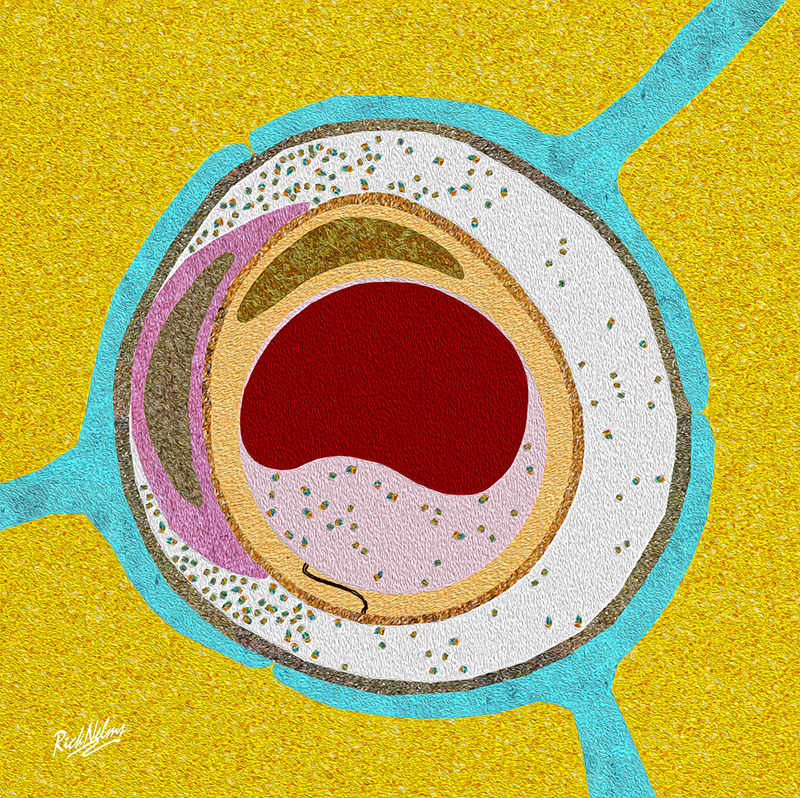
Having a better understanding of the contributions of other cells within the central nervous system, and the changes in cell behaviour that take place early in disease, will help to provide patients with more accurate prognosis.
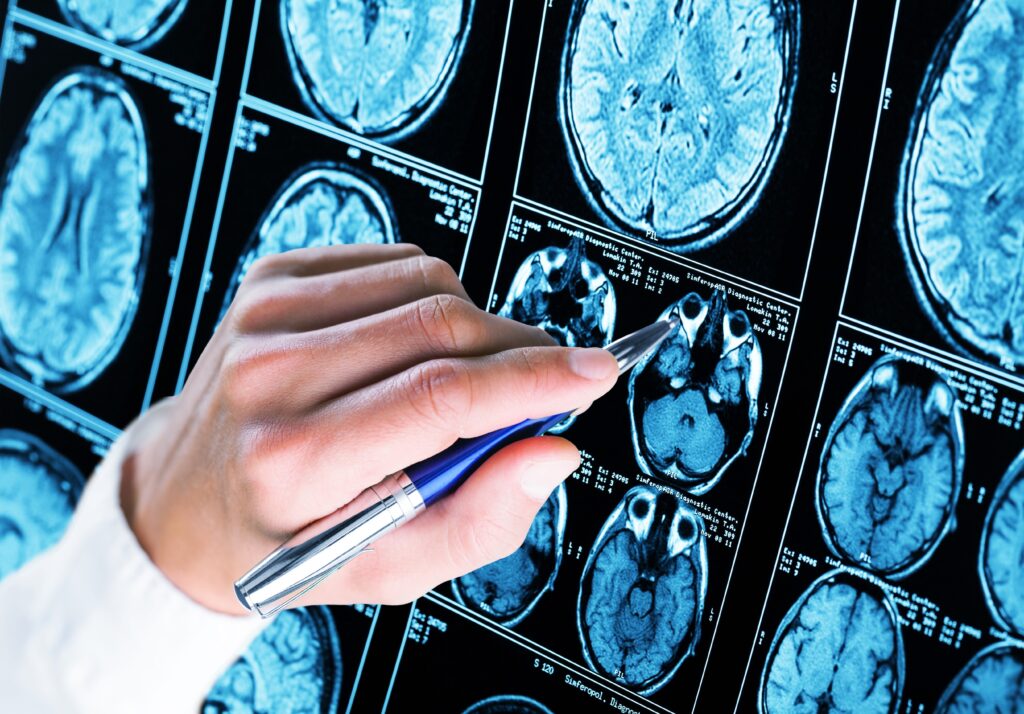
The aim of this study is to determine the rates of post-stroke cognitive impairment and the risk factors for it, as well as looking at what might be causes with the hope of improving how it is predicted in individuals.

Early identification of Alzheimer’s Disease offers opportunities to treat its symptoms before the disorder damages the brain too much. If the brain is damaged too much, treatments become ineffective, and damages are irreversible. This study looked at whether AI, games and digital tools have a role to play in supporting that early identification.

This study is important as it investigates the potential of dietary factors in the prevention of Alzheimer’s, specifically whether beta-lactolin can improve the health of the mitochondria, the cell’s batteries, and therefore improve the health of the cell.
As the clinical signs and symptoms differ among individuals with EOAD, it is much more challenging for clinicians to diagnose them accurately. EOAD is also a very rare form of Alzheimer’s Disease which makes it challenging for researchers to come to conclusions about the disorder. Reviewing previously published studies helps researchers to see where the gaps in our understanding of the disorder lay. It also provides a clearer direction of what further research is necessary to understand how and why EOAD happens.